Mara River Water Resource Users Association ((MWRUA) is an umbrella of water users and associations and part of the larger water users association (WRUAS) .The association is registered as a self-help group with the Narok District department of Culture and Social Services under certificate number 5427 dated 22nd August 2003 and then registered with the Registrar of Society at the Attorney Generals Chambers in July 2006 to gain legal status. The association have a board of 17 members representing various regions in the basin who work on voluntary basis.
Our main objective is to protect and conserve Mara River and its resources. Mara River basin covers an area of 13,500kmsq, and it shared between Kenya 65% and Tanzania 35%. Since its establishment, MWRUA has brought positive impact to the Mara Basin. We have undertaken series of activities including, protection and rehabilitation of water catchment areas, spring protection, and involved community with income generative activities.
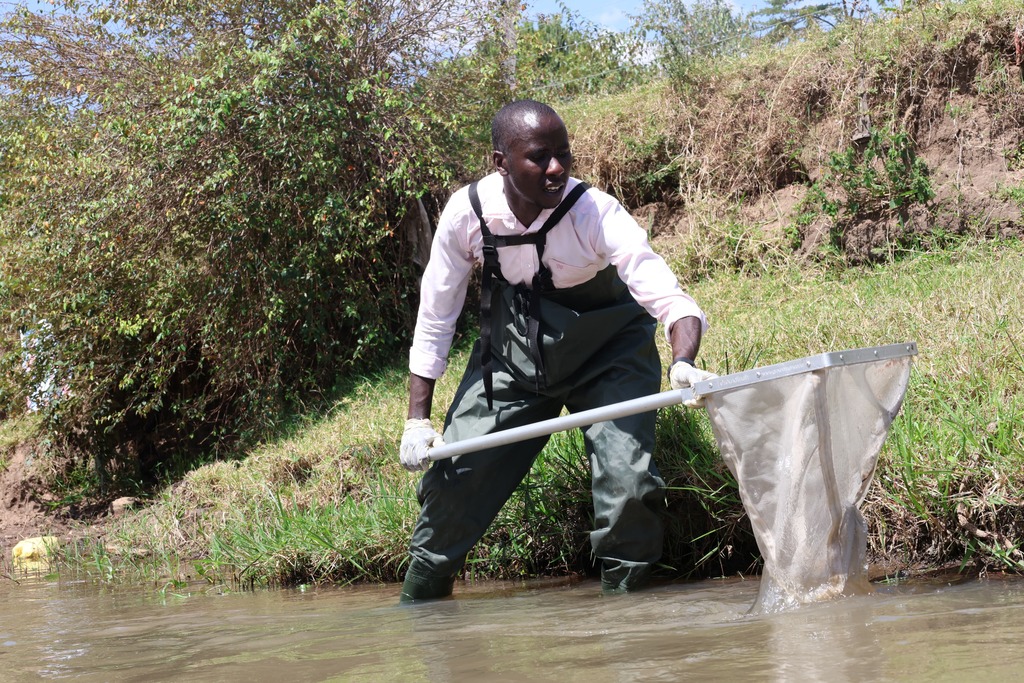
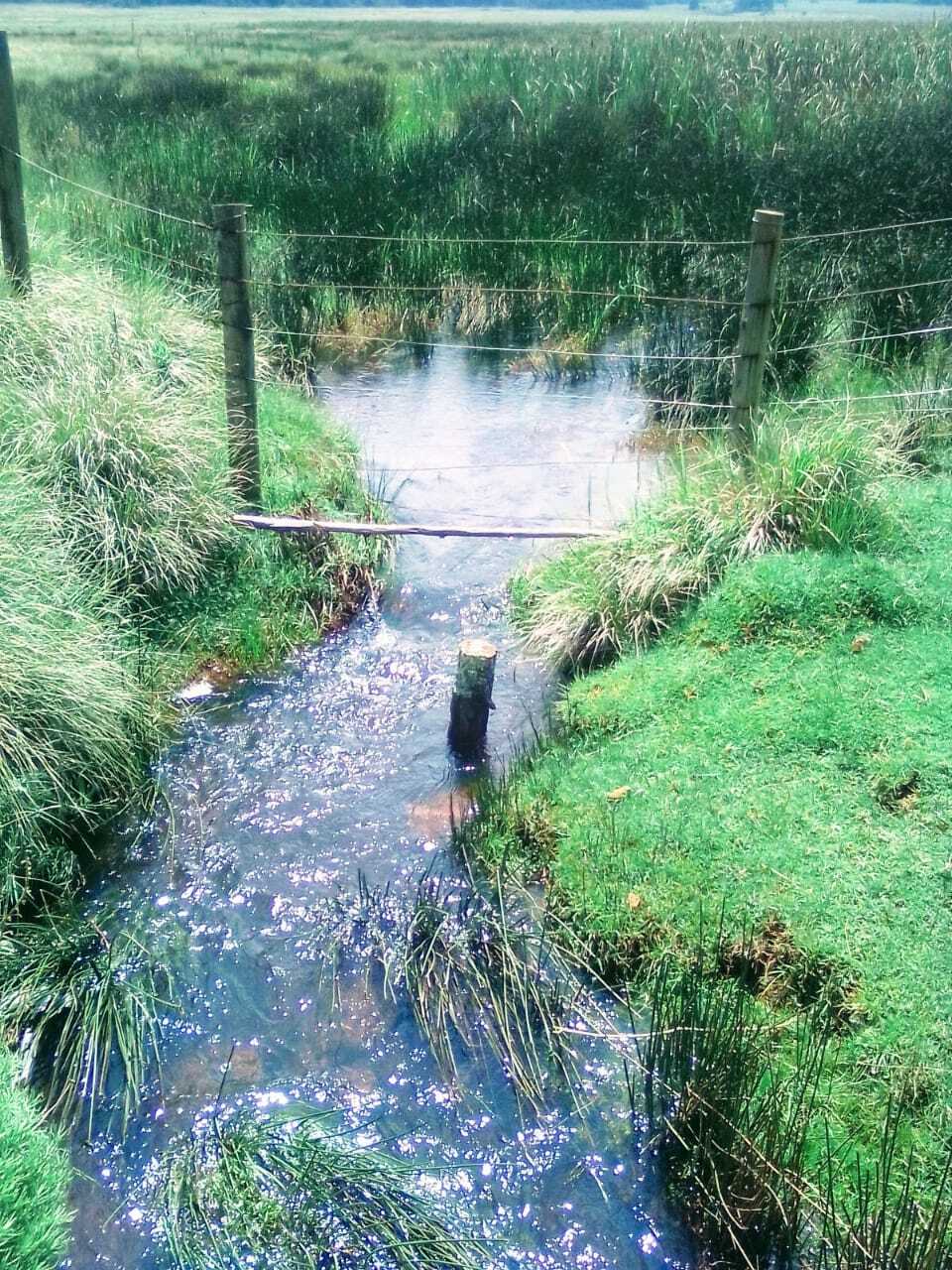
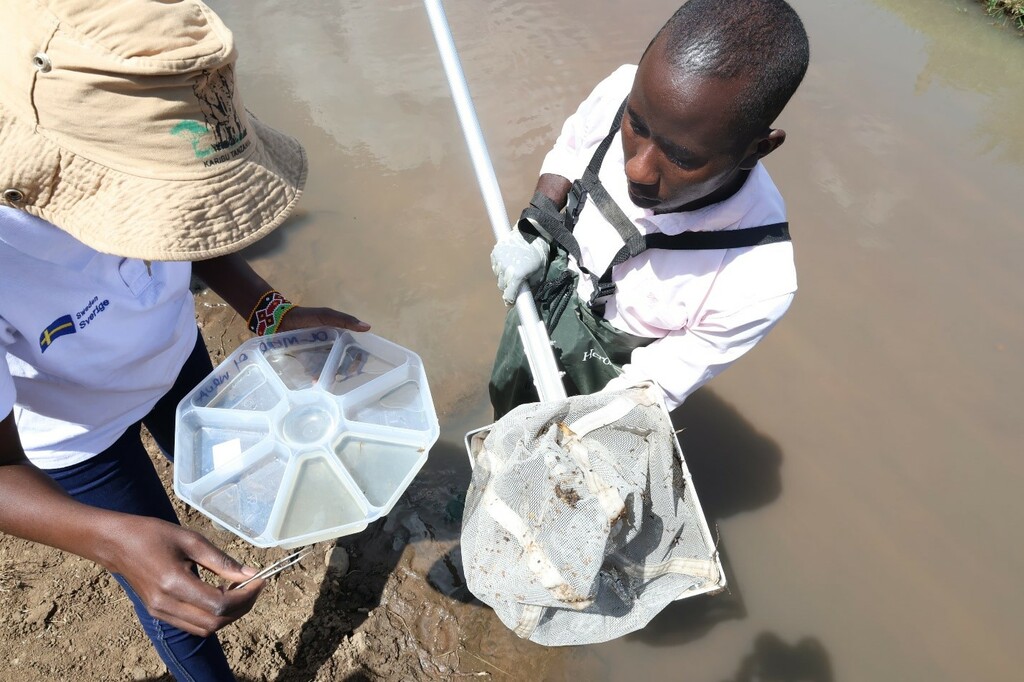
River Health assessment is a community based tool to assess the ecological health of the rivers. we conducts regular River Health Assessments to monitor water quality, biodiversity, sediment levels, and pollution sources in the Mara River. Through community involvement and data-driven analysis, we develop targeted conservation actions to protect and restore the river ecosystem, ensuring long-term sustainability.
To access our dashboard : MARA River Health Assessment (RHA) Monitoring Dashboard (wwfkenya.org)
MRWUA promotes energy-efficient cooking stoves for households and institutions to reduce firewood use and protect local forests. The initiative involves training local artisans to produce affordable stoves, conducting community training sessions, and raising awareness of the environmental and health benefits. Supported by partnerships with government and environmental organizations, this effort helps reduce deforestation, conserve the Mara Basin, and improve livelihoods through sustainable energy solutions
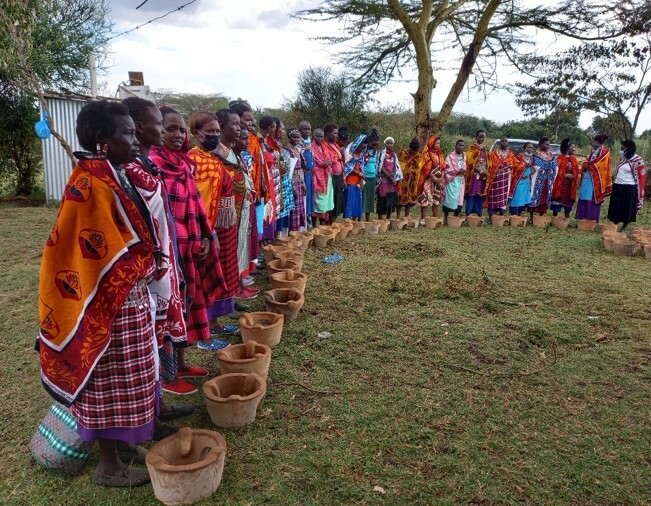
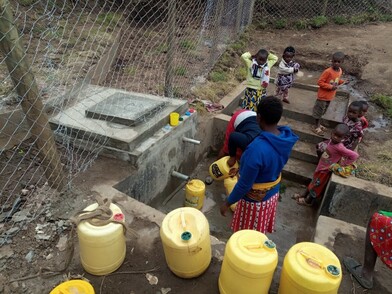
At our organization, we are dedicated to protecting natural springs, which serve as vital sources of clean water for many communities. To achieve this, we take a multi-faceted approach that includes the installation of strong and durable fences to safeguard these precious resources from potential threats and contamination. Additionally, we construct carefully designed spring boxes that facilitate easy and safe access to clean water for local populations. Furthermore, we engage and mobilize communities to foster a sense of stewardship and responsibility, ensuring the sustainable management of these essential water sources for generations to come. Through these efforts, we aim not only to preserve the integrity of natural springs but also to empower communities to thrive in harmony with their environment.
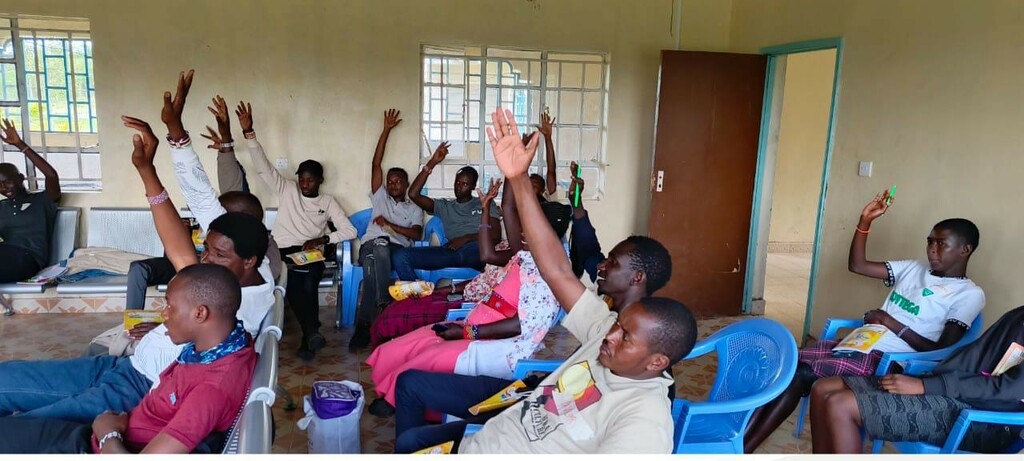
The MRWUA is dedicated to conducting a variety of community workshops, engaging school programs, and impactful media campaigns aimed at educating the public and raising awareness about sustainable water resource management. Through these initiatives, we focus on promoting effective conservation practices and highlighting the numerous benefits associated with the use of improved cooking stoves, which cater to both households and institutions. Our goal is to empower individuals and organizations alike with the knowledge and tools necessary to make informed decisions about water usage and energy efficiency, ultimately leading to a more sustainable future for our communities.
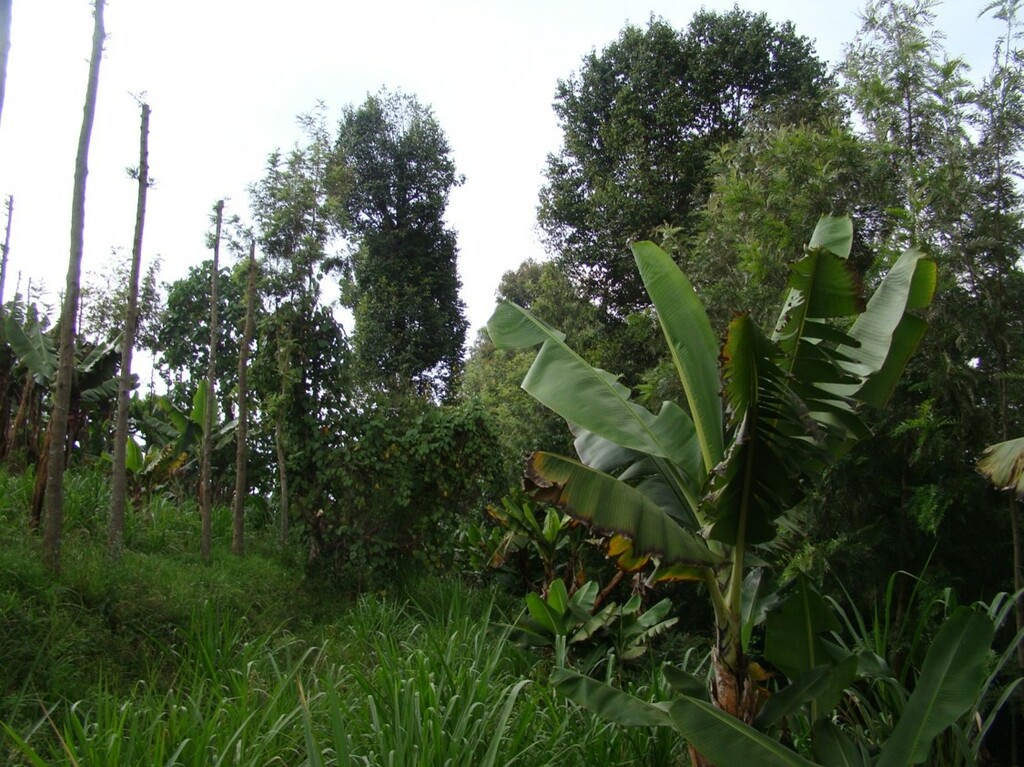
Our initiatives are dedicated to promoting sustainable agricultural practices such as terracing, agroforestry, and water harvesting techniques. These approaches are instrumental in significantly reducing soil erosion, enhancing water retention, and ultimately improving agricultural productivity in the vital areas surrounding the Mara Basin. Furthermore, we are committed to enhancing tree cover in the region by planting a variety of fruit trees, including avocados and mangoes. This endeavor serves a dual purpose; it not only contributes to environmental protection and restoration but also plays a crucial role in improving the livelihoods of local communities, providing them with valuable resources and income opportunities. Through these comprehensive efforts, we aim to create a more sustainable and prosperous future for both the environment and the people who depend on it.
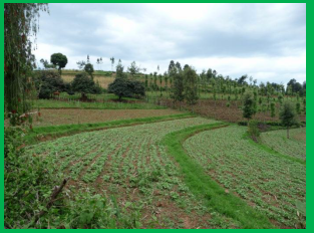
Over the past decade, the Mara River Water Resource Users Association has made remarkable progress and achieved significant milestones in various areas. Some of the key achievements include:
Acquisition of 3.2 Acres of Land
MRWUA has enhanced tree cover for over 1,000 households and planted 50,000 bamboo trees along riparian areas.
Development of a functional constitution, a Memorandum of Understanding, and a five-year strategic plan (2021-2025).
Kicking off the much-anticipated annual Mara Day celebration
A well-established governing body that operates from its own dedicated office space.
Attracting funding from various donors, such as a five-year grant from SIDA through WWF Kenya and five-year support from MAMASE and WADA.
Winner of prestigious THIGS awards in 2013 and the Equator Prize awarded by UNDP in 2010.
Developed a comprehensive River Health Assessment scorecard specifically designed for the Mara River.
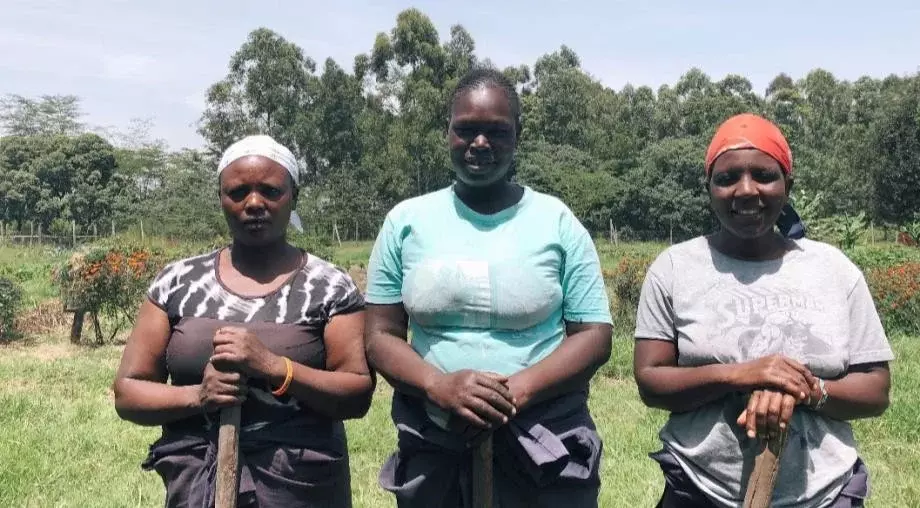
The Mara River, spanning Kenya and Tanzania, is vital for both wildlife and human communities. Originating from Kenya’s Mau Escarpment and flowing into Lake Victoria, it supports the Great Migration of wildebeest and zebras, a world-renowned wildlife spectacle. The river sustains the Maasai and Kuria communities, who depend on it for water, agriculture, and livestock.
The river sustains the Maasai and Kuria communities, who depend on it for water, agriculture, and livestock.
Developments in the water sector are often planned and implemented in silos rather than in an integrated approach.WWF-Kenya is leading awareness campaigns on water security, access, quality and quantity by bringing together various stakeholders in the water sector to take collective action in championing for integrated water resource management across the country.
For more information visit: World Wide Fund for Nature (WWF) .
SNV is a mission-driven global development partner, established in the Netherlands in 1965.
Inspired by the principles and objectives set out Sustainable Development Goals, SNV is committed to building resilient agri-food systems that deliver food security; to increasing the reliability and availability of water and sanitation; and to improving access to affordable and sustainable energy.
For more information on sustainable development
visit: SNV Netherlands Development Organisation website.
The National Environment Management Authority (NEMA) is a Kenyan government agency responsible for the management of the environment, and environmental policy.
For more information visit: National Environment Management Authority (NEMA) Kenya
The MaMaSe Sustainable Water Initiative is aimed at improving water safety and security in the Mara River Basin to support structural poverty reduction, sustainable economic growth and conservation of the basin’s ecosystems. In this four year programme the people and institutions in the basin will be supported in a process of structural change, promoting water-wise economic development that lifts people out of poverty and sets them on a sustainable path to improved well being and self-reliance.
Sida – the Swedish International Development Cooperation Agency – is a government agency. Our mission is part of the national policy for global development and we strive to reduce world poverty. Sida’s activities are funded through Swedish tax revenue
For more information visit: SIDA

MOA has an aim to create food secure and prosperous nation anchored on innovative, competitive and commercially oriented agriculture and co-operatives sector and also create an enabling environment for sustainable food and nutrition security, sustainable co-operatives sector and improved livelihoods for all Kenyans
For more information visit: MOA .
Water Resources Authority (WRA) is a state corporation established under Section 11 of the Water Act, 2016. it is mandated through delegated Authority on behalf of the National government to safeguard the right to clean water by ensuring that there is proper regulation of the management and use of water resources, in order to ensure sufficient water for everyone now and in the future.
The Authority has been in existence for 17 years following its establishment under the Water Act, 2002 as Water Resources Management Authority (WRMA)
For more information on water resource authority
visit: WRA website.
The Water Sector Trust Fund (WaterFund) is a Kenyan State Corporation under the Ministry of Water, Sanitation and Irrigation and established under the Water Act, 2016, with the mandate to provide conditional and unconditional grants to the Counties and to assist in financing the development of and management of water and sanitation services in the marginalised and underserved areas.
It previously existed as the Water Services Trust Fund prior to the repeal of the Water Act, 2002, which had established it.
For more information visit: Water Sector Trust Fund - Financing the Water Sector
Mara RWUA is a distinguished membership-based organization that values a collaborative community. Membership is attainable through a application process managed by our dedicated Secretary and approval by the board of management. To become a member, individuals Private household, Institutional such as schools, hospitals, churches, Commercial and industrial within the Mara basin are encouraged to submit their applications directly to the Secretary’s office.
Registration is as per the categories and renewable every year: